When it comes to safe load handling, one of the most crucial aspects to consider is the use of lifting slings. These simple yet effective devices play a significant role in ensuring the safety and stability of the load during lifting operations. Lifting slings are made from various materials:

  • Nylon
  • Polyester
  • Wire rope

Each one of these offers unique characteristics, suited for different applications. In this blog post, we will explore the importance of lifting slings and highlight their key features that contribute to safe load handling.

What are Lifting Slings?

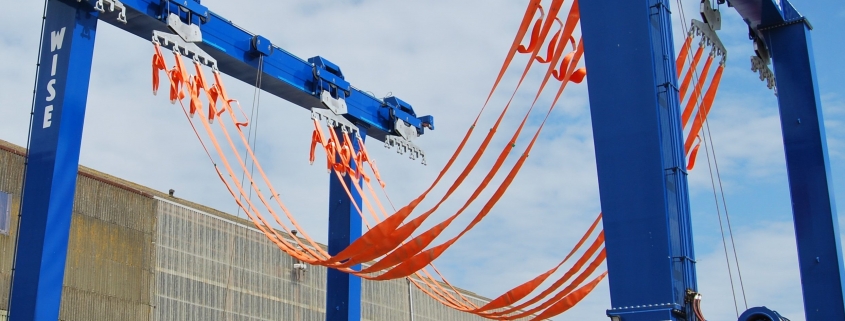
Lifting slings are versatile devices, used to lift heavy loads securely and efficiently. Consisting of a flexible strap or rope, they are designed to distribute the weight of the load evenly across their length. Lifting slings prevent excessive stress on the load and provide stability during lifting operations. These slings can be attached to lifting equipment such as cranes, forklifts, or hoists, enabling controlled and safe movement of heavy objects.

Benefits of Using Lifting Slings

Load Distribution

One of the primary advantages of using lifting slings is their ability to distribute the load’s weight evenly. This prevents any single point or area of the load from bearing excessive strain, reducing the risk of structural damage or failure. The wide surface area of the sling allows for better weight distribution, ensuring the balance and stability of the load throughout the lifting process.

Flexibility and Adaptability

Lifting slings come in a variety of materials and configurations, making them adaptable to different load types and lifting equipment. Polyester and nylon slings are commonly used for general-purpose lifting, as they offer excellent flexibility and strength. Wire rope slings, on the other hand, are ideal for heavy-duty applications where durability and resistance to high temperatures are required. The flexibility and adaptability of lifting slings make them a cost-effective choice for industries with varied lifting needs.

Shock Absorption

During lifting operations, the sudden movements or jolts caused by equipment or external factors can generate shock or impact forces on the load. Lifting slings, particularly those made of materials like polyester, have inherent shock-absorbing properties. These slings can absorb and minimize the impact forces, protecting the load from potential damage and ensuring safer load handling.

Load Protection

Lifting slings are designed to be gentle on the load they support. Their smooth surface and flexibility help prevent scratches, dents, or other types of surface damage to the load. This is especially crucial when handling delicate or sensitive materials, such as glass or electronic equipment. Using lifting slings helps maintain the integrity and quality of the load throughout the lifting process.

Enhanced Safety

By using lifting slings correctly and in accordance with safety guidelines, operators can significantly increase the overall safety of load handling operations. Properly selected and inspected slings, along with appropriate lifting techniques, reduce the risk of accidents, injuries, and damage to the load and the lifting equipment. Employing lifting slings as a key component in load handling ensures a safer, more effective working environment for all involved.

Ultimately, lifting slings play a vital role in safe load handling. Their ability to distribute the load’s weight evenly, their flexibility, shock absorption properties, and load protection characteristics, make them a key component in any lifting operation. By using lifting slings correctly and following safety guidelines, industries can mitigate risks, reduce accidents, and achieve efficient and secure load handling operations.

Does your business require lifting slings for its operations? Our team has over 35 years of experience in lifting and lashing systems and would be delighted to speak with you. Send us your details and we’ll be happy to work with you – Contact Us today!

An effective fall arrest system protects your team and fulfills legal obligations for health and safety. However, there are so many different brands and options out there that picking the right fall arrest system can seem like a big task. When it comes to ensuring that you have the right equipment and systems in place to prevent falls from height, this is what you need to think about.

Before you look at equipment…

There are three key steps that need to be completed before you start looking at a fall arrest system. These are:

  1. Look to prevent a fall, by changing equipment so that the need to work at height is removed or reduced.
  2. If that can’t be done, then permanent installations will need to be created to access the work area in question, such as ladders, walkways and platforms.
  3. The last step is to provide Personal Protective Equipment (PPE), such as an effective fall arrest system that can deliver to high standards.

Choosing the right fall arrest system

The aim of a fall arrest system is that the person using it comes to a complete stop if they fall. There are three main components in any effective fall arrest system: an anchor point, a harness, and a connector.

Anchor point

This needs to be robust enough to arrest someone who is falling and is reliant, to a certain extent, on the host structure it is attached to (e.g., a building). When you’re looking at your anchor point, you’ll need to start by checking that the static resistance is >12kN. The height of the installation of the anchor point is going to be key – preferably it will be above the head and allow for a drop of two lanyard lengths. Look at the length of the connection in relation to the ground and remember that there could be a pendulum effect when someone falls.

Full body harness

This is a mandatory requirement and a key part of a fall arrest system. A harness is made up of straps, loops, and components that allow it to be effectively fitted to the body of the person using it. It should provide support during a fall and distribute fall arrest forces as evenly as possible. The right harness will depend on factors such as the job, the environment, and the needs of the wearer.

Lanyards & Connectors

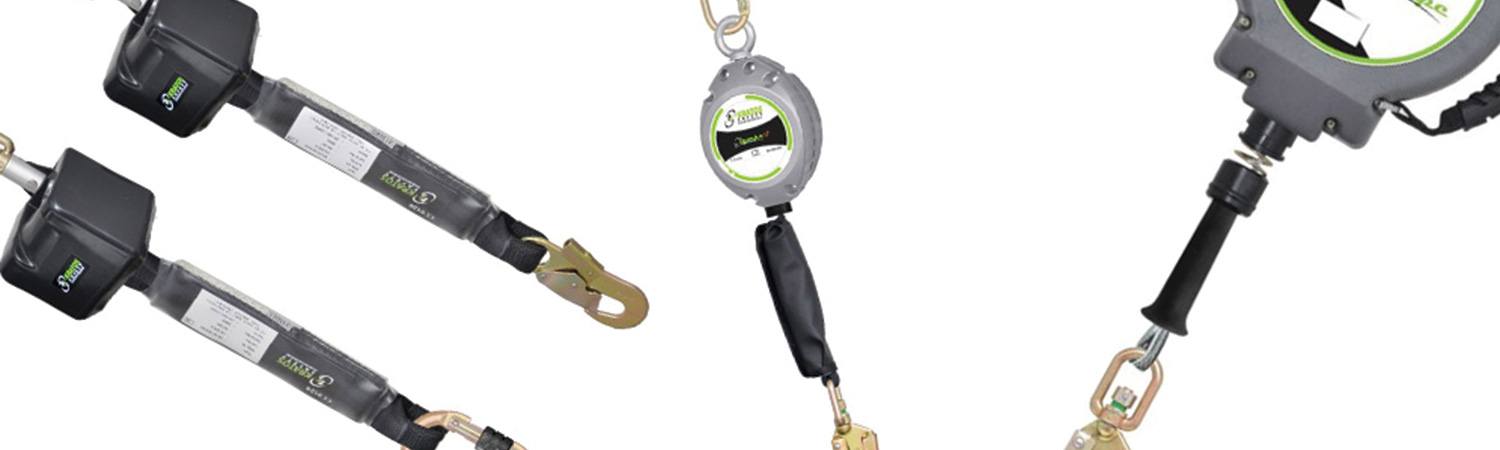
There are several different options for a fall arrest connection system. These include an energy-absorbing lanyard, a retractable type of fall arrester, and mobile fall arrestors on vertical anchor lines. See our height safety range for more product ideas.

Is a fall arrest system the right option?

It’s also important to consider the other choices you have when looking at preventing falls. This includes the option of a fall restraint system that will restrict someone’s movements so that they don’t end up in areas where there is a risk of a fall.

Choosing the right fall arrest system will make all the difference as to whether safety standards can be maintained, and your team effectively protected.

At Trans-Web, our height safety equipment can be tailored specifically to your needs. Find out more by contacting us.

Safety harnesses are designed to prevent operators from falling while working at height. When a professional is wearing a safety harness, this significantly reduces the risk of injury from a potential fall. There are lots of different safety harnesses on the market today, each with different straps and restraints, and these are tailored to whatever environment someone is working in. If a job involves tasks at height, then safety harnesses need to be part of the process.

When are safety harnesses necessary?

There are two main situations where safety harnesses are essential: when a role involves working at height, and when there is a risk of a fall. If someone is working at height, then safety harnesses are usually used in conjunction with fall arrest or restraint lanyards. These will either catch someone when they fall or ensure that someone working at height isn’t able to move into an area of risk. If the harness is being used because there is a risk of falling, then this can be a requirement even where that risk is small, and the height is low. We must remember that even the smallest falls can result in broken bones and other serious injuries.

What are the legal requirements for safety harnesses?

Every workplace is different and it’s important to recognise that this will mean different standards need to be met. However, it is generally accepted that there must always be protection where there is an unprotected edge with a fall of 6ft or more. This is a rule that has variations attached to it; In particular for scaffolders and steelworkers this rule may vary. The Health and Safety Executive provides the guidelines on what the legal requirements are when it comes to safety harnesses – and how these apply to all the different industries.

How do safety harnesses ensure worker safety at heights?

Because even the smallest fall from a relatively low height can still do damage it’s vital to have the right protection in place. An unsafe workplace is not acceptable in 2023, and it’s the responsibility of the employer to ensure that the right precautions are being taken. Safety harnesses use a system of straps and restraints to provide specific protection for those whose work regularly takes them off the ground. Whether that is arrest – i.e., a safety harness that stops someone from falling – or restraint, which means a harness that prevents them from entering the danger zone, the right kind of equipment is a vital part of ensuring worker safety at heights. In fact, a workplace where height is a factor simply isn’t going to be safe without safety harnesses as part of the kit. Safety harnesses should always be selected based on the industry they are going to be used in and the specific role that they are designed to support – remember to properly assess the risks that are attached to that role.

Safety harnesses are vital when it comes to ensuring worker safety at heights and protecting the workforce.

At Trans-Web, we have been manufacturing height safety equipment for over 35 years. To request a bespoke package for your project, contact us today!

Manufactured just for you!

All of our webbing & round slings can be customised to be better suited to your needs.


Custom Lengths – Webbing slings can be made in any length


Custom Labels – Labels printed to include your logo, company name & own serial numbers


Printed Webbing – Webbing printed with text is available for all of our slings


We will never compromise on quality – All our slings are made in the UK, we don’t cut corners when it comes to your safety.

If you are in need of advice or guidance, please contact our Sales Team on 0161 627 0022 or email: sales@trans-web.co.uk

Bespoke Slings

Over the years we have worked with our customers to design & develop new products, these products were designed specifically for our customer’s needs.

If you’re in need of advice or guidance on any of our products, please contact our Sales Team on 0161 627 0022.

Boat Slings

Improving our stock!

We have increased the number of Kratos Safety products we keep in stock, this is to keep up with the growing demand from our customers.

1
2
1

Twin Leg Fall Arrest Lanyard

2

Adjustable Restraint Lanyard


Do you need a Kratos product that isn’t shown on our site? Don’t panic! Let us know what product you are in need of and we can have it in stock within a matter of days.

For a more information on our Kratos products, you click here to see our full product range.


Fall Arrest Blocks – Servicing and Repairs

Trans-web is now one of the few distributors in the UK to offer a Kratos Certified service and repair on your fall arrest blocks. We can service and repair wire and webbing blocks, up to 30 metres in length.

For a more information on our services and repairs, please call a member of our sales team on 0161 627 0022, email us at sales@trans-web.co.uk or click here!

We are proud to have been awarded ISO 9001:2015 certification!

This internationally recognised standard that ensures services meet the needs of clients through an effective quality management system.

Having an ISO certification is not something new for us. ISO:2015 is follow on from our previous ISO:2008, by moving on to this new standard we aim to keep improving the quality of our products and service from our staff.


“Our decision to work towards this new ISO accreditation demonstrates our commitment to providing a high-quality and consistent service to our clients and our ongoing investment in technology, development and processes and procedures.”

Lee Wrigley – Director

To become ISO 9001 compliant, we underwent an evaluation process that included quality management system development, a management system documentation review, pre-audit, initial assessment, and clearance of non-conformances, all of which work to identify corrective actions that eliminate non-conformance to the quality management standard.

Fall Arrest Blocks – Servicing and Repairs

Trans-web is now one of the few distributors in the UK to offer a Kratos Certified service and repair on your fall arrest blocks. We can service and repair wire and webbing blocks, up to 30 metres in length.

For a more information on our services and repairs, please call a member of our sales team on 0161 627 0022, email us at sales@trans-web.co.uk or click here!

Even More Choice!

We are happy to announce we have increased the range of Kratos Safety products. Our range now includes:

  • Harnesses
  • Lanyards
  • Safety Lines
  • Fall Arrest Blocks
  • Height Safety Kits

For a more information on our Kratos products, you click here to see our full product range.

We just keep getting better & better!

We are now able to offer our customers a faster service, larger selection & even more reliable than before.

What we can offer you: 

  • Next day service on a large range of our round slings
  • Technical support from our sales team
  • With over 30 years experience, we’re able to offer a competitive price on all of our products

Our round slings are available with a WLL of 1 to 125 tonnes, with a working length of up to 26 metres.

If you want to know more about our round slings, all the information can be found by clicking here.

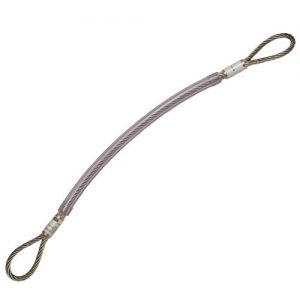
We’re pleased to announce that we can now manufacture both Stainless Steel and Galvanised Steel wire anchor strops on site.

Stainless Steel anchor strop with protective sleeve

Stainless Steel anchor strop with protective sleeve

The strops conform to: EN354:2010, EN795:2012 Type B – when used for a one person load & PD CEN/TS 16415:2013 Type B when used in rescue for a two person load.

Manufacturing the slings on site, they can be made bespoke to you, and your needs. With the choice of protective rubber sleeve, thimble eye and any length you require.